What is Cox spinal decompression?
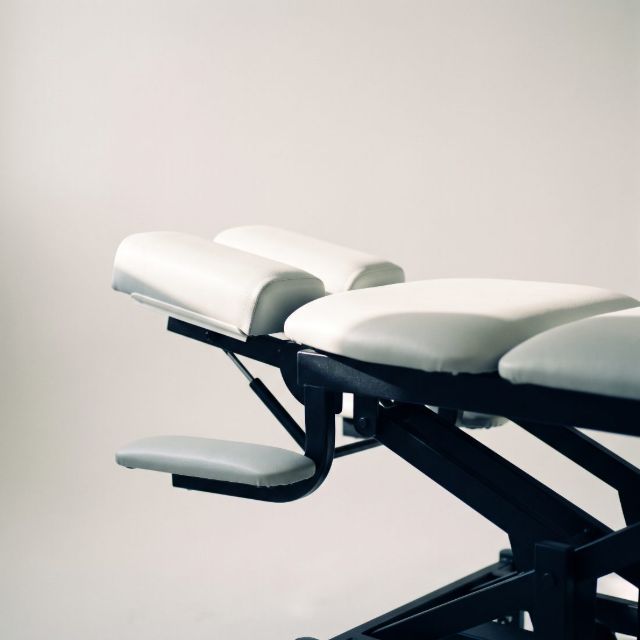
Spinal decompression at our clinic uses the Cox method, also called flexion-distraction. It is named after Dr. James Cox, the American chiropractor who developed it, and is carried out on a specially designed table.
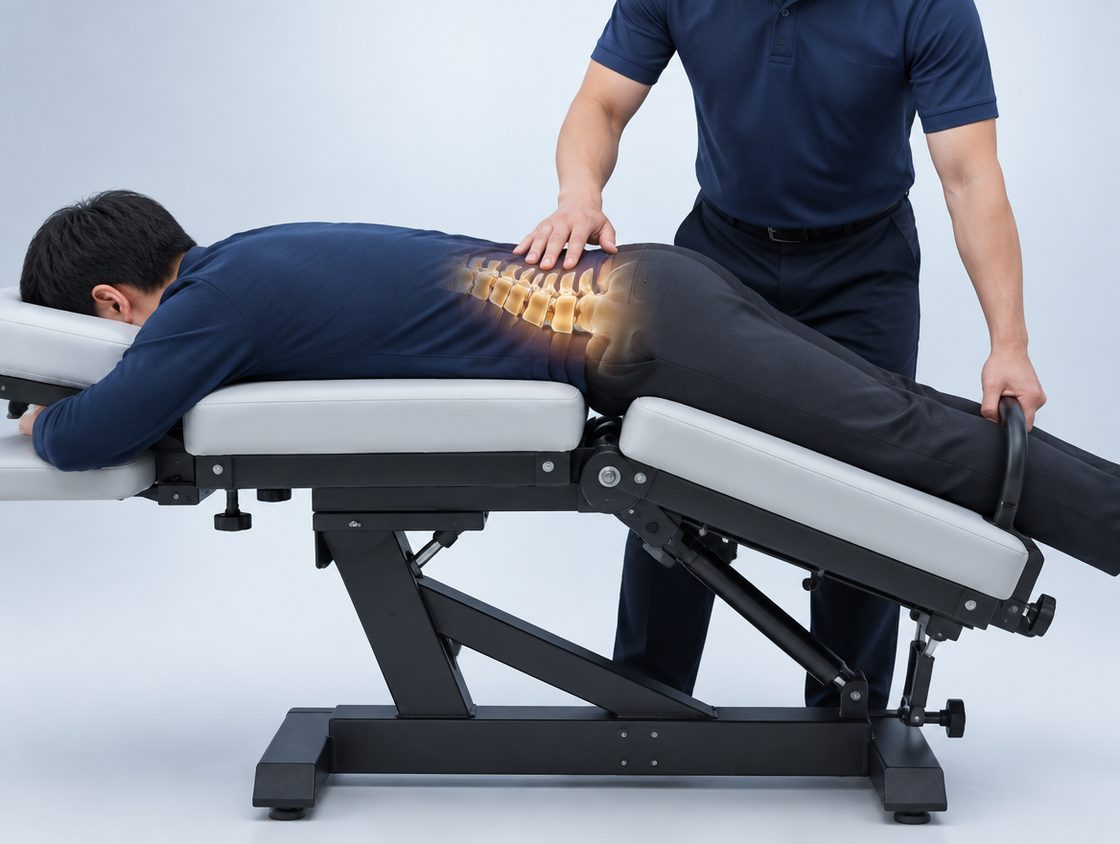
You lie face down while the lower section of the table slowly moves down and back up, gently flexing and stretching your lower back in a steady rhythm. Dr. Ho controls the movement throughout, keeping a hand on your spine at the level being treated so he can adjust the angle and force.
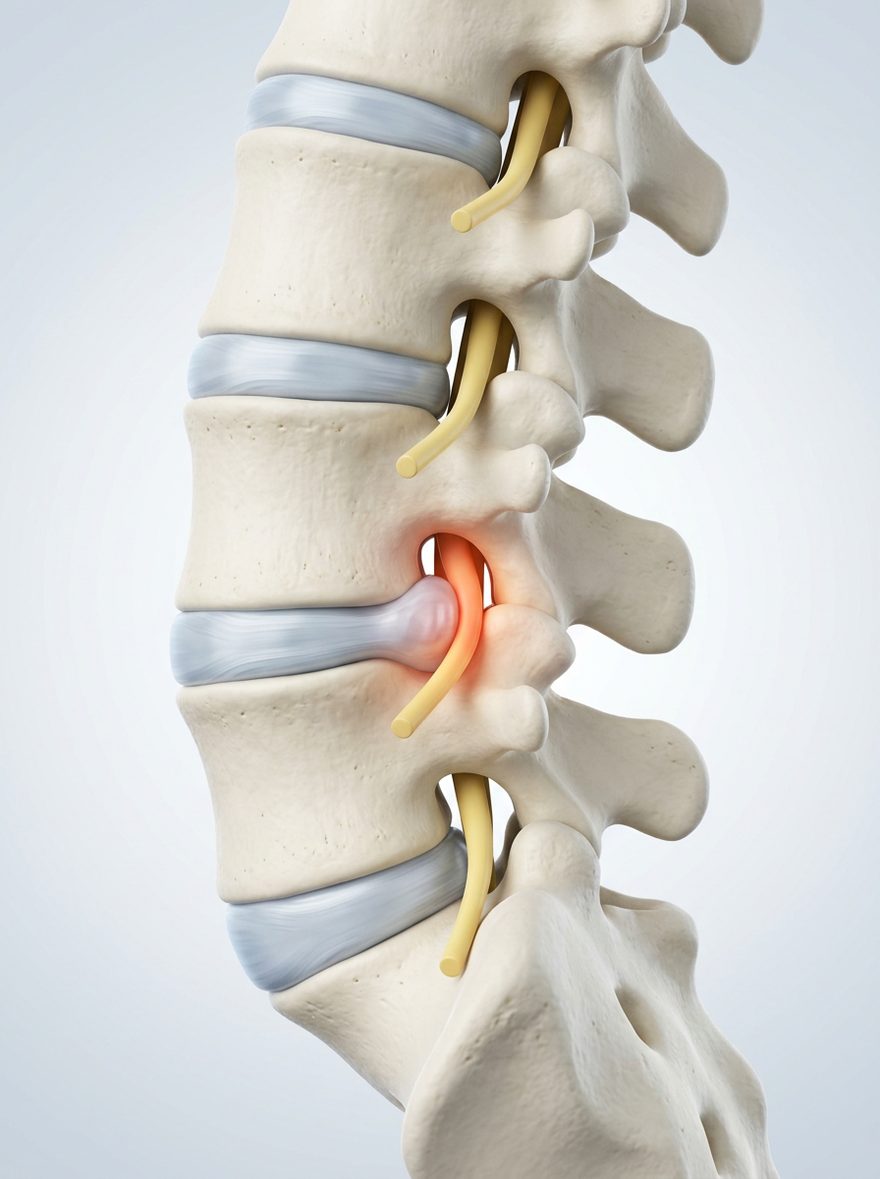
The aim is to gently open the spaces between the vertebrae, which may help reduce pressure on the discs and on the nerves leaving the spine. It is generally gentler than a standard adjustment, and it is often considered for disc-related back and leg pain.
Who Cox decompression may suit
Dr. Ho checks whether it is suitable for you at your first visit.
It may suit people with
- Low back pain linked to a disc problem, such as a bulging or herniated disc
- Sciatica: pain, numbness or tingling that travels from the lower back into the leg
- Narrowing of the spinal canal in the lower back (lumbar spinal stenosis), with leg pain when standing or walking
- Stiff, painful joints or wear-related changes in the lower back
- Back pain where a gentler approach than a standard adjustment is preferred
It may not be suitable, or needs extra care, if you have
- A recent spinal fracture or severe osteoporosis
- An infection or tumour affecting the spine
- Previous spinal surgery with metal implants or fusion in the area to be treated
- Leg weakness that is getting worse
- Loss of bladder or bowel control, or numbness around the groin or inner thighs. These need emergency medical care.
If any of these apply, Dr. Ho may refer you for imaging, such as an X-ray or MRI, or to a doctor before treatment.
What a session involves
General information only — your exact treatment is set after an in-person assessment.
Check first: Dr. Ho reviews your symptoms and checks your spine, nerves and movement to confirm the treatment is suitable.
Positioning: You lie face down on the padded table, fully clothed, with the table sections set so you are comfortable.
Flexion-distraction: Dr. Ho keeps a hand on your spine at the level being treated while the lower section of the table slowly moves down and back up in short, gentle cycles. It should feel like a gentle stretch; tell him if your pain or numbness increases, so the position and force can be changed.
Afterwards: It may be combined with other treatment, and you will be given exercises and advice on sitting, lifting and sleeping.
How many sessions you need depends on your condition. Your progress is reviewed regularly; if there is no clear improvement after a few weeks, Dr. Ho will review the plan and may refer you for further tests.
Conditions this can help with
Frequently asked questions
Is Cox decompression painful?
It is usually gentle, and many people find it comfortable. Some feel mild soreness afterwards, which usually settles within a day or two. Tell Dr. Ho straight away if the movement increases your pain or numbness.
How is it different from traction or decompression machines?
Traction and motorised decompression machines usually pull the spine in a straight line with a set force. With the Cox method, the table also flexes the spine, and Dr. Ho controls the movement throughout, adjusting the angle and force to how your spine responds.
Can it help a herniated disc?
It is commonly used for disc problems with back or leg pain, and some studies suggest it may help ease pain for some people. Results vary, and it is not suitable for everyone. Severe or worsening nerve symptoms may need an orthopaedic doctor's assessment.
Can I have it if I've had back surgery?
Possibly, depending on the type of surgery and how long ago it was. Dr. Ho will ask about your surgery, and may need your surgeon's reports, before deciding whether it is suitable.
How many sessions will I need?
It depends on your condition and how long you have had it. Dr. Ho will discuss an expected treatment plan with you after your first examination and review your progress along the way.
Can I claim it on my medical insurance?
That depends on your policy terms. Cover for chiropractic treatment varies between policies, so check with your insurer before your visit. We are happy to provide receipts to support your claim.
Have questions about Spinal Decompression?
Message us on WhatsApp, or book a consultation to find out if this is right for you.